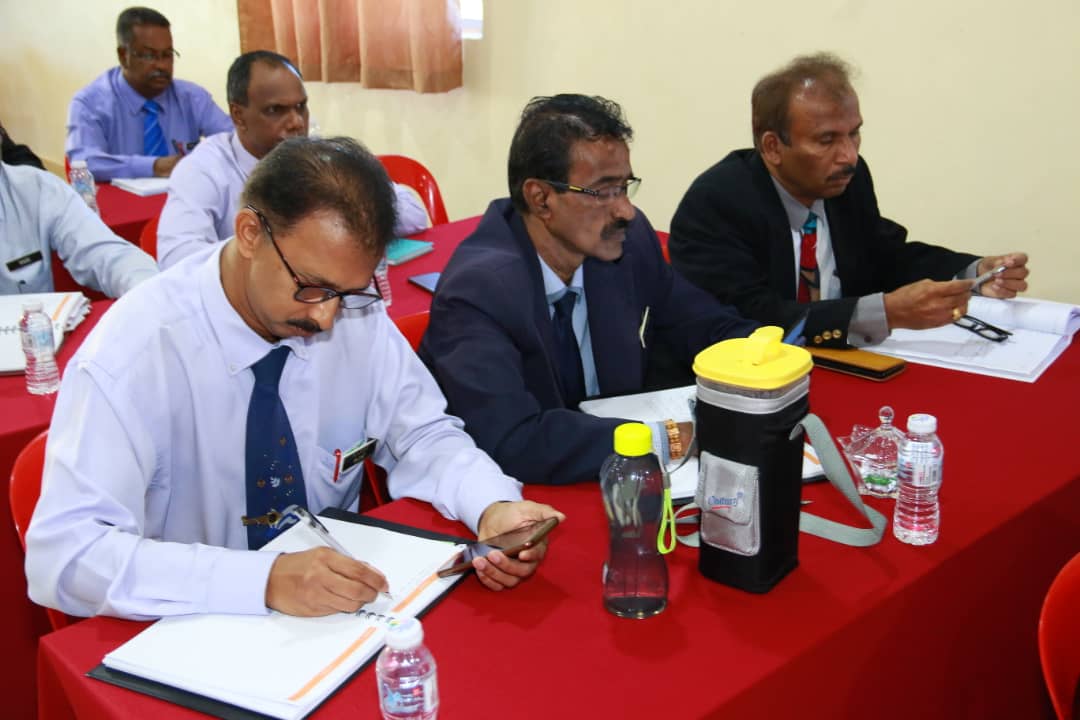
கோல மூடா/யான் மாவட்டத் தமிழ்ப்பள்ளிகளின் ஒருமைப்பாட்டு மன்றம், சுங்கை பட்டாணி, கெடா
Monday, March 9, 2020
Thursday, February 20, 2020
Monday, January 27, 2020
தலைமைத்துவம் (Leadership)
எந்த ஒரு மனிதனின் நடத்தை மற்றவர்களின் நடத்தையின் மாறுதலை தன்னில் ஏற்படுத்தும் மாற்றத்தை விட அதிகமாக ஏற்படுத்துகின்றதோ அந்த நடத்தையே தலைமைத்தன்மையாகும். தலைவன் தன் நடத்தையால் குழுவின் நடத்தையில் ஒரு மாற்றத்தை விளைவிக்கிறானேயன்றி குழுவின் நடத்தையால் தன் நடத்தையில் ஒரு மாற்றத்தையோ அல்லது குழுவின் செயல்களுக்கேற்பத் தன்னை அவர் மாற்றிக் கொள்வதோ தலைமைத்துவம் அல்ல. Burn Zchoes Selznick என்னும் உளவியலாளர் பின்பற்றுவோரைச் செயற்படத் தூண்டும் செயற்பாடு தலைமைத்துவமாகும் என்கின்றார்.
தலைமைத்துவத்தின் சிறப்பு
தலைமைத்தவத்தின் சிறப்பானது தனதும் தன்னைப் பின்பற்றுவோரதும் விழுமியங்களையும் (Values) ஊக்கங்களையும் (Motivation) நோக்குகின்ற பார்வையில் தங்கியுள்ளது எனலாம்.ஒகியோ பல்கலைக்கழகம் (ஐ.அமெரிக்கா) ஆய்வில் தலைமைத்துவத்தின் நடத்தைகளில் நான்கு முக்கிய காரணிகள் குறிப்பிடப்படுகின்றன.
1. பிறர் நலச் சிந்தனை (Consideration)
2. குழு அமைப்பினைத் தொடக்கி வைத்தல் (Initiating Structure)
3. உற்பத்திக்கு வலியுறுத்தல் (Production Emphasis)
4. சமூக நுண்ணுணர்வு (Social awareness)
தலைமைத்துவம் என்பது சவால்கள் நிறைந்த ஒரு விளையாட்டு எனலாம். வெற்றி தோல்விகள் தலைவரில் தங்கியுள்ளது.
தலைமைத்துவத்தின் வகைகள்
பின்வரும் வகையில் தலைமைத்துவ வகைகள் உளவியலாளரால் முன் வைக்கப்படுகின்றன.
1. நிறைவேற்றுத் தலைவர் (Administrator Leader)
2. நிர்வாகத் தலைவர் (Bureaucrat Leader)
3. கொள்கை வகுப்புத் தலைவர் (Policy Maker Leader)
4. துறைசார் நிபுணத் தலைவர்(Expert Leader)
5. இலட்சியத் தலைவர் (Ideologist Leader)
6. கவர்ச்சித் தலைவர் (Charismatic Leader)
7. அடையாளத் தலைவர் (Symbolic Leader)
8. தந்தைவழித் தலைவர் (Father Figure Leader)
9. சமயத் தலைவர் (Religious Leader)
இவ்வாறாகத் தலைமைத்துவம் அமைகிறது. ஒருவிதத்தில் கூறப்போகின் “தலைவர்கள் பிறக்கின்றனர் உருவாக்கப்படுவதில்லை”. (“Leaders are born not made”) என மக்ஸ்வெபர் என்பவர் கூறுகின்றார். தலைவர்கள் உருவாக்கப்படுகின்றனர். பெற்றெடுக்கப்படுவதில்லை எனவும் ஒருசாரார் கூறுவர். பொதுவாக சந்தர்ப்பங்கள் வழங்கப்படும் போது தான் தலைமைத்துவப் பண்புகளும் வளர்க்கப்படுகின்றன. ஒருவர் மேலெழுந்து வர செயற்படுத்த வேண்டிய செயலும் வழிநடத்த வேண்டிய அமைப்பும் முக்கிய இடம் வகிக்கின்றன என சமூக உளவியலாளர் கருத்துத் தெரிவிக்கின்றனர். “பதவிகளும் ஒருவரைத் தலைவராக்குகின்றது எனவும் கூறுவர். (“Office makes the man”)
பொதுவாக விலங்குகள், பறவைகளை நோக்கின் உடற்பலரீதியில் ஒன்று இன்னொன்றின்மீது ஆதிக்கம் செலுத்துவதையும் அடிபணிந்து போதலையும் அவதானிக்கலாம். ஆனால் மனிதன் உடற்பலமின்றி அறிவுத்திறன், செயல்திறன், ஆளுமைத்திறன், பிரச்சினைகளை அணுகி ஆராயும் திறன், உள்ளத்திறன், மனோதிடத்திறன் என்கின்ற அடிப்படைக் காரணிகள் மனிதனில் ஆதிக்கம் செலுத்துகின்றன.
தலைமைத்துவப் பண்புகள்
1. குழுவின் மதிப்பைப் பெறல் (Like ability)
தலைவர் தன் குழு அங்கத்தவரின் விருப்பத்துக்கும் மதிப்புக்குமுரிய முக்கிய பண்புகளைக் கொண்டிருத்தல் வேண்டும். குழுவின் மதிப்புகள் தலைமைத்தவத்தை பாதிக்கும்.
2. தன்பணிகளில் வெற்றிபெறல் (Task Success)
தலைமைத்தவமானது தான் எடுக்கும் முயற்சிகளில் வெற்றியீட்டும் வல்லமைகளைக் கொண்டிருத்தல் வேண்டும்.
பணிகளில் ஏற்படும் வழுக்காரு, முயற்சிகள் தோல்வியடைதல் தலைமைத்துவத்தைப் பெரிதும் பாதிக்கின்றன. சாதிக்கும் திறன் மிக மிக அவசியம்.
3. ஆளுமைக் கூறுகள் (Personality Traits)
ஒரு குழுவின் தலைவர் அர்ப்பணிப்பு, முன்மாதிhரிகை, விசுவாசம், நேர்மை, மனிதத்துவம் போன்ற ஆளுமைக்கூறுகள் உடையவராக இருத்தல் வேண்டும். ஒரு தலைவரில் இருந்து பல தலைவர்கள் தோன்றலாம். அத்துடன் தலைவர் எடுத்துக்காட்டுவதற்குரியவராக அமைதல் அதன் சிறப்பம்சமாகும்.
தான் அங்கம் வகிக்கும் குழுவில் ஆளுகைப் பண்புகள் உடையவராக இருத்தல் சிறப்பானதாகும். அதுமட்டுமல்ல தனது குழுவில் செல்வாக்குடைய ஒருவராக, மதிப்புப் பெற்றவராக இருப்பின் (Dominancy) சிறந்த தலைவராக அமையலாம். மகாத்மா காந்தி அடிகள் தனது அகிம்சை வழியில் வெற்றி பெற அவர் தன் குழுவில் பெற்ற செல்வாக்கும் மதிப்புமே காரணமாகும்.
4. சிறந்த பயிற்றுநர் (Coach)
தனது குழு அங்கத்தவர் செயற்பாட்டை ஊக்குவிப்பவராகவும், பொருத்தமான பொறுப்புகளையும் வழங்குபவராகவும் முன் கூட்டியே நடவடிக்கைகளை மேற்கொள்பவராகவும் (Be proactive) பகிர்ந்து கொள்பவராகவும் இருப்பது தலைமைத்துவத்தின் சிறப்பு பண்புகளாகும். கட்டளையிடுவதைத் தவிர்த்து வேண்டுகோள் விடுப்பவராக இருத்தல் விரும்பத்தக்கது. இன்னொரு விதத்தில் கூறின் தலைவர் ஒரு வாயில் காப்போனாக, ஒவ்வொரு செயலுக்கும் செயற்பாட்டுக்கும் பொறுப்புடையவராக அமைய வேண்டும்.
தலைமைத் தெரிவு
பல்வேறு விதமாகத் தலைவர்கள் தேர்ந்தெடுக்கப்படுகின்றார்கள்.
1. நியமித்தல்(appointing)
2. தெரிந்தெடுத்தல் (Electing)
3. சமூகத் தலைமை (Social leader)
தான் சார்ந்திருக்கும் குழுவுக்கு வெளியே இருந்து ஒருவர் தலைவராக நியமிக்கப்படின் அது நியமித்தல் தெரிவாகும். அரச நிர்வாக சேவைகளை இதற்கு காரணமாக கூறலாம் தான் சார்ந்த குழுவினால் தெரிந்தெடுக்கப்படின் அது தெரிந்தெடுத்தல் முறையாகும். தெரிந்தெடுக்கப்படாமலும் நியமிக்கப்படாமலும் குழு ஒருங்கிணைப்பாளராக அன்றேல் பராமரிப்பவராக உள்ள தலைவர் சமூகத் தெரிவுக்குட்பட்டவர். உதாரணமாக பஞ்சாயத்துத் தலைவர் போன்றோரைக் குறிப்பிடலாம்.
தலைமைத்துவ அதிகாரம்
1. கவர்ச்சிகரமான அதிகாரம் (Charismatic Authority)
இது விதிவிலக்கிற்குட்பட்ட தலைவரிடம் காணப்படுவதாகும். (ளுரிநச hரஅயn) மனித ஆற்றலுக்கு மேற்பட்டவர் உணர்வு ரீதியாகத் தன்னைப் பின்பற்றுவோரை வழிநடத்துபவர்களின் அதிகாரம் இதற்குதாரணமாகும். காந்திமகான், மகா அலக்சாண்டர், பிடல் காஸ்ரோ இத்தகையோராவார்.
2. மரபுரீதியான அதிகாரம் (Traditional Authority)
காலாகாலமாக உறுதி செய்யப்பட்ட வழமையான மரபுகளை இதற்குதாரணமாகக் குறிப்பிடலாம். (Inherited Leadership) இது மரபுரிமையில் பெறப்பட்ட தலைமைத்துவமாகும். பரம்பரையாக வரும் மன்னர்கள், பிரபுக்கள் மன்னர்கள் அதிகாரங்கள் இதற்குதாரணமாகும்.
3. சட்டவரம்பிற்குட்பட்ட நேரறிவான அதிகாரம் (Rational – Legal Authority)
மேற்கூறப்பட்ட இருவகையான அதிகாரங்களையும் சாராத தனிமனிதன் சாராத கூட்டு விதிகள் கொண்டது நேரறிவான சட்டவரம்பிற்குட்பட்ட அதிகாரங்களாகும். (Set of impersonal rules) நீதிபதி, இராணுவத்தளபதி போன்றோரின் தலைமைத்துவம் அதிகாரங்கள் இதற்குதாரணமாகும்.
ஆக்கச்சிந்தனையும் தலைமைத்துவமும்
தலைமைத்துவத்தை நோக்கின் நலிவான சிந்தனையுடனான தலைமைத்துவம் முக்கியமாகத் தோல்விக்கே இட்டுச் செல்லும். நலிவான சிந்தனைகளை வெற்றி கொள்வதற்கு ஆக்க பூர்வமான சிந்தனைகள் துணையாக அமையும். ஆக்கபூர்வமான சிந்தனை என்பது “கற்பனை செய்வது முதல் கனவுகாணலாகும்” அது புதிய கருத்துக்கள் பிறப்பிக்கப்படுவதற்கும், யாதாயினும் ஒன்றை ஆக்கபூர்வமாக நோக்குவதற்கும் முன்னர் தொடர்குளைக் காண முடியாமல் போனவற்றைப் புதுப்பித்து தொடர்புகளைக் காணவும் துணையாக அமையும். அது விடுசிந்தனை (Divergent Thinking) ஆகும். எனவே ஆக்கச் சிந்தனை தலைமைத்தவத்தை வளர்ப்பதற்கும் பொதுவாகக் கூறின் தான் சார்ந்துள்ள குழு அங்கத்தவர்களின் சிறப்பான செயற்பாடுகளும் எடுக்கப்படும் முயற்சிகளின் வெற்றி தோல்வியும் சிறந்த தலைமைத்தவமே காரணமாக அமைகின்றது எனலாம்.
தலைமைத்துவத்தின் பண்புகள்
தலைவராவதற்கு எல்லோருக்கும் ஆசைதான். ஆனால் தலைமை தாங்குவது எளிதான விஷமல்ல. ஒரு பெரும் சுமையை லாவகமாகத் தூக்கிச் சுமக்கும் திறன். தலைமைப் பண்புகள் என்பவை என்ன. அவற்றை எப்படி வளர்த்துக்கொள்வது.
ஒரு நல்ல தலைவரின் பொறுப்புகள் என்னென்ன. நாட்டை வழி நடத்துபவர் தேசத் தலைவர், குடும்பத்தை வழி நடத்துபவர் குடும்பத் தலைவர், பள்ளி, கல்லூரிகளில் மாணவ, மாணவியரை வழி நடத்துபவரை மாணவர் தலைவர் என்கிறோம். அவர்கள் மற்றவர்களை வழிநடத்தும் தலைமைப் பண்பை பெற்றிருப்பதால் தலைவராக இருக்கிறார்கள்.
வெறும் அறிவு மட்டுமே இருந்தால் ஒருவருக்கு தலைமைப் பண்பு இருக்கின்றது என்று கருத முடியாது. அறிவு அனுபவம் மனிதர்களை மதித்து நடந்துகொள்ளும் பண்பு ஆகியவற்றையும் கொண்டவரையே தலைமைப் பண்பு கொண்டவர் என்று கூறலாம். ‘விளையும் பயிர் முளையிலே தெரியும்’, என்பார்கள்.
சந்திரகுப்தர் குழந்தைப் பருவத்தில் நண்பர்களுடன் விளையாடிக் கொண்டிருந்தார். அவரை கவனித்துக்கொண்டிருந்த சாணக்கியர், சந்திர குப்தரிடம் அரசராகும் தலைமைப் பண்புகள் இருப்பதாக கணித்துக் கூறினார்.
ஒவ்வொருவரும் அவரவருக்குள் இருக்கும் தலைமைப் பண்பை உணரத் தொடங்கும்போது அவர் தலைவராவதற்கான முதல் படிக்கட்டில் ஏறிவிட்டார் என்று கருதலாம். புத்திசாலித்தனமாக அல்லது விவேகத்துடன் நடந்துகொள்ளுவது சிறந்த தலைவருக்குத் தேவையான ஒன்று ஆகும். வழி நடத்தும் பொறுப்பில் இருப்பதால் தலைவருக்கு அனுபவ அறிவு மிகவும் இன்றியமையாதது.
அதுவும் அனுபவம் சார்ந்த புரிதலுடன் கூடிய அறிவே சிறந்தது. தலைவர் என்பவர் காலமாற்றங்களுக்கேற்ப புதிய உத்திகளையும், அணுகுமுறைகளையும் துணையாகக் கொண்டு முடிவுகளை எடுத்து வழிநடத்துபவராக இருக்க வேண்டும். ஆனாலும் மாண்புடன் நடந்துகொள்ளும் குணநலன்களில் எந்த மாற்றமும் இருக்கக்கூடாது.
சிறந்த தலைவராக செயல்பட தேவையான குணநலன்களாவன.
பயிற்சியாளர்
நல்ல தலைவர் என்பவர் ஒரு சிறந்த பயிற்சியாளர். குழு உறுப்பினர்கள் தங்களது திறமையை முழுமையாக பயன்படுத்த வாய்ப்பளித்து தங்களது நோக்கத்தை நிறைவேற்றும் வகையில் செயல்பட உதவுபவரே சிறந்த தலைவர். தங்களுக்கு கீழ் உள்ளவர்கள் புதிதாக ஒரு முயற்சியில் இறங்கும்போது ஏதாவது தடை அல்லது இடர்பாடுகளை எதிர்கொண்டால் அந்த பிரச்சினைகளுக்கு தீர்வு காணும் வகையில் ஆலோசனை வழங்கி வழி நடத்துபவரே தலைவர்.
இயக்குனர்
தலைவர் ஒரு இயக்குனர் போன்றவர். எந்த நோக்கத்துடன் எந்த இலக்கை நிர்ணயித்துக்கொண்டு செயல்பட வேண்டும் என்பதை குழுவை வழி நடத்தும் தலைவர் தெளிவாக புரிந்து வைத்திருக்க வேண்டும்.
எந்தவொரு தடையும் இல்லாமல் அல்லது தடைகள் வந்தாலும் அவற்றையும் எதிர்கொண்டு இலக்கை அடையும் வாய்ப்புகள் உள்ளன என்று உறுதியுடன் செயலை தொடங்குபவராக நல்ல தலைவர் இருப்பார்.
குழு உறுப்பினர்களுக்கு தெளிவாக நோக்கத்தை புரிய வைத்து இலக்கை அடைய வழி வகுப்பவராக இருப்பார். தேவைப்பட்டால் தானே நேரடியாக அனுபவ களத்தில் இறங்கி செயல்பட்டு முன்மாதிரியாக நடந்துகொண்டு வழி நடத்துவார்.
தாக்கத்தை உருவாக்கும் ஆற்றல்
சிறந்த தலைவரானவர் பிறரது மனதில் தாக்கத்தை ஏற்படுத்தி திறமையாக செயல்பட வைக்கும் ஆற்றல் உள்ளவர்களாக இருப்பார். இதுவரை வெளிப்படுத்தாமலிருந்த திறமைகளையும் குழு உறுப்பினர்களிடம் இருந்து வெளிக்கொணரும் வகையில் இவர்களது செயல்பாடு அமையும். இவர்களது அணுகுமுறையும், செயல்பாடுகளும் பிறரையும் சிறப்பாக செயல்பட தூண்டும் வகையில் இருக்கும்.
அதிகாரியாக செல்படுதல்
மற்றவர்கள் பாராட்டும் வகையில் திறமையுடன் செயல்படும் திறன், அதிகாரம் செலுத்தி பிறரை கட்டுப்பாட்டிற்குள் வைத்திருக்கும் திறன், ஒருமுறை முடிவெடுத்து செயல்படத் தொடங்கிவிட்டால் சற்றும் தயக்கம் காட்டாமல் முயற்சியிலிருந்து பின்வாங்காமல் உறுதியுடன் செயல்படுதல், எந்தவித பாகுபாடும் இல்லாமல், பய உணர்ச்சியுமில்லாமல் நடந்துகொள்ளுதல், செயல்களுக்கு பொறுப்பேற்றுக்கொண்டு செயல்படுதல், வெற்றி என்றாலும் சரி, தோல்வி என்றாலும் சரி அதற்கு பொறுப்பேற்றுக்கொள்ளும் மனப்பக்குவம் போன்ற தலைமைப் பண்புகள் மற்றவர்கள் மத்தியில் மதிப்பையும் மரியாதையையும் அளிக்கும்.
தொலைநோக்காளர்
நீண்ட நாட்களுக்கு பயணளிக்க வேண்டும் என்று தொலை நோக்குடன் செயல்படுபவரே தலைவர். எதிர்கால விளைவு களை ஓரளவு அனுமானிக்கும் ஆற்றல் கொண்டவராக இருத்தல், பெரிய விஷயங்களை நன்கு கவனித்து செயல்படுத்தும் அதே வேளையில் சின்ன விஷயமாக இருந்தாலும் அக்கறை செலுத்தி கவனத்துடன் செயல்படும் பாங்கு.
மேலாளர்:
அனைத்து மேலாளர்களும் சிறந்த தலைவர்கள் கிடையாது. ஆனால் அனைத்து தலைவர்களும் சிறந்த மேலாளர்களே ஆவர். மேலாண்மை என்பது ஒரு விஞ்ஞானம். மேலாண்மைத் திறன் என்பது ஒவ்வொரு தலைவரிடம் உள்ள பண்பாகும்.
மேலாண்மைத் திறன் இல்லாத தலைவர் பிறர் பார்வையில் ஏளனத்திற்குரியவராக காட்சி அளிப்பார். ஒரு சிறந்த தலைவர் பிற மேலாளர்களையும், உதவியாளர்களையும் துணையாகக் கொண்டு திறம்பட மேலாண்மை செய்தாலும் தனக்கென்று தனி மேலாண்மைத் திறன் கொண்டவராகவே இருப்பார்.
The 3 Signs of a School Coaching Culture
Coaching very much seems to be a school improvement strategy that
is in vogue at the moment.
Considering the amount of coverage it gets across social media and
other platforms, many would be forgiven for believing that it was some kind of
miracle cure for all that is wrong with our current ailing school system. As
much as I am an advocate for coaching in schools, the first thing that I will
quite openly and honestly say is, ‘it is not a cure-all!”
If, however, you are serious about creating a culture in which the
professional ailments of some parts of our system can be constructively
addressed, then along with other personalised approaches to staff
development/school improvement, it’s a good place to start.
And … why is it a good place to start? It’s a good place to start
because coaching is quite simply about building connections; building
connections both with self and with others. And surely this is what school
improvement is about. When adult to adult connections are weak a similar
fragility is witnessed within school structures and systems. Conversely, when
they are strong, school improvement feels that much less arduous.
Schools which are adept at using coaching to support school
improvement through strengthening relationships and connections, are often
those which are characterised by the three signs of a coaching culture.
They are schools which are characterised by a heightened ability
to use coaching (formally and informally) to:
1. Deepen levels of
communication and understanding
These schools understand that the first response to a question is
not necessarily the best response. They understand that to achieve great
heights (for all parties) then conversations of depth and understanding need to
be had.
They understand that when individuals are properly listened to and
discerning questions asked, more is revealed, more is understood and very often
as a direct result, meaning is derived and purpose given to the daily aspects
of school life.
2. Challenge
individuals to achieve their best
It never ceases to amaze just how difficult it can be to enable
adults working in our schools to be their best, in all situations! For
such a long time, particularly as a Head, I assumed that if you were choosing
to work in a school, you not only wanted the children to fulfil their
potential, you also wanted the same for yourself.
Looking back, I now realise how naïve I was. For whatever reason
(in fact, there are tons! Too many for me to go into now) helping adults to
fulfil their potential and really believe in themselves, is a far more complex
and circuitous route than it is for children!
Yet, there are schools through the application of certain coaching
skills that have found ways to help adults navigate this path. Very often
they will tell you the path is more spiral in its application; with places on
the journey having to be-revisited more than once. However, they accept and
understand this, knowing that coaching conversations help to steer the spiral
journey upwards and they are necessary for the growth of the individual and
their school.
3. Develop levels of
self-awareness and emotional intelligence
When individuals become familiar with coaching type conversations
that encourage them to look in-wards they became more self-aware. They
understand that their performance has as much to do with their actions, as
it does with their hidden world of thoughts, feelings and emotions. Schools
that understand this, know how to use coaching as a way to help adults understand
themselves better. Such schools are characterised by staff who have a high
level of emotional intelligence.
They are aware of the degree to which their emotions (the good and
the bad!) impact on others and they take full responsibility for this. There is
no blaming or shaming when things go wrong. Full adult responsibility is
accepted. Relationships are candid, transparent and non-judgemental. As a
result, all flourish.
Taking the First
Steps…
If you would like to begin to develop a coaching culture across
your school, then ensure you don’t miss out on your chance to be a part of our
next 4 Day Coaching Programme.
The Programme (which is approved by the Institute of Leadership
and Management) will provide senior school leaders with all the know-how
and confidence needed to effectively utilise coaching as a powerful part of
their roles and help them to implement coaching across their school.
It will also equip you with a new set of coachig skills that can
help you to…
– Manage difficult conversations successfully
– Understand how to get the best out of
different members within your team
– Facilitate better teamwork and minimise team conflict
– Develop nurturing positive, effective and supportive school
relationships
– Understand yourself better, so that you
can fully utilise your strengths in your role
5 Tips for Reducing the Stress of Headship
You would not have reached
where you are today if you didn’t know how to harness the power of hope to help
you overcome the stresses of school leadership.
We know that hope can be
incredibly elusive. When external demands and pressures mount and crisis
follows crisis, the light at the end of the tunnel can appear to be very faint
and distant glimmer. In such times, hope is just as essential for your own well-being,
as rain is for flowers in the desert.
As you seek to move
forward in your endeavour to create brighter futures for our young people, here
are five tips for keeping hope alive and reducing feelings of stress when the
challenges arise…
Tip 1:
Learn to keep one eye backward and another eye forward
In order to live more
fully and to make progress in our lives, it is helpful to have a process in
place that enables us to develop a greater understanding of our own
personal/professional journeys. Such a process enables us to develop a greater
understanding of where we have come from and where we are heading and to
hopefully move forward with deeper levels of insight and wisdom.
When this becomes a
regular pattern of behaviour, it becomes much harder for you to be knocked off
course by the challenges of school life – you have a wider perspective for
viewing events and understanding how they relate to the bigger picture, both
personally and professionally.
Tip 2:
Stay Connected
School leadership does
not happen in a vacuum. Leaders need people, not only to follow them, but also
to help them on their journey. The connections that you make as you move
forward will have a great impact on the degree to which you are able to deal successfully
with the challenges of school leadership.
Paying attention to the
relationships that you invest in and develop outside of school is just as
important for your health and mental well-being, as is the amount of time you
spend developing relationships in school. Be wise in your affiliations;
relationships that drain your energy (although sometimes, if not often, this is
unavoidable in a professional context) take great care in your personal
relationships, to ensure there is a balance and that you have relationships
that give back to you and do not leave you emotionally depleted.
Tip 3:
Learn the art of Selfless Leadership
Nelson Mandela’s
Biographer, Richard Stengel wrote, “We become our best selves through unselfish
interaction with others”. In stating this he was referring to “the African
model of leadership, which is better expressed as Ubuntu, the idea that people
are empowered by other people.” Quite clearly this can only happen when Ego is
put to one side.
The Selfless Leader is
one who has outgrown the needs of the Ego for constant external praise and
affirmation. The Selfless leader is one who understands that constant seeking
of the approval of others only leads to greater stress and an increased
distancing from one’s true identity. The Selfless leader understands that when
all such things are put to one side, hope prevails, stress is reduced and
greater bonds are formed with those you lead.
Tip 4:
Bend, do not break
You may be familiar with
the phrase ‘bend’ do not break, which some say has its origins in either one of
Aesop’s fables, The Olive Tree and the Reed, or an old Chinese proverb that
relates to the capacity of the bamboo to bend (and not break) even in the
severest of storms. For too many school leaders resilience has meant putting on
a brave face while becoming detached from all feeling and emotion, they have
become so ‘brittle’, that when the storms come, they have forgotten what it
means to ‘bend’.
If you want to be able to
withstand the storms of school leadership, you have to be able to bend. You
have to be able to allow yourself to feel and in so feeling, to be receptive to
what your mind and your body are telling you – and take action that shows you
are have understood the message!
Tip 5:
Know you have a choice
During everything that
the life of a school leader throws at you, it is important to remember that you
have a choice as to how you respond. When we understand this, we put our
conscious selves back into the driving seat of our lives. We stay in control of
ourselves, as opposed to life’s events taking control of us. It is not always
easy.
It takes discipline and
conscious effort to choose how we respond to life’s calamities. However, when
we master the art and become better at taking control of our lives, we
experience the peace that comes in no longer letting others unduly influence
our experience of school leadership. We also promote hope in ourselves and
promote it in those who are close to us.
Taking
Back Control of School Leadership
It is our belief that
over the last few years, our education system has lost sight of one of its
strongest and most important assets – its humanity.
Values more akin to the
business world have seeped into the system with schools encouraged to see
children as data, other school leaders as competitors and results as the
ultimate goal of education. We have seen too many school leaders
‘disappear’ with many being forced out, sometimes on the back of just one
disappointing set of results.
Consequently, we’ve
noticed a growing culture of fear within in our education system. Increased
levels of public scrutiny and personal accountability have only served to
intensify this. As have new structures and roles which have added
unnecessary layers of complexity and ambiguity. Many heads now feel they are in
a constant battle to prove they know what is being asked of them in this new
era and prove that they are “good enough.”
That’s why in October 2020, we will
once again host Headteachers & School Leaders from across the country for
our very special “Education for the Soul” conference.
This conference will feature a new
selection of expert speakers and workshop hosts, who will be sharing their
insights into how school leaders can look after their own well-being, get the
most out of those they lead and deliver the best outcomes for their pupils.
The conference will aim to build on the
outcomes of our previous “Education for the Soul” conferences and seek to
explore how school leaders and teachers can learn to lead with integrity,
depth and purpose.
As part of this, we will look into how
individuals can stay connected to their “why” and their deepest values. Above
all, “Education for the Soul” 2020 will aim to help school leaders and
teachers:
– Foster a deep sense of vocation and purpose
amongst all staff
– Increase their understanding of the
relationship between school development and personal development
– Keep hope, joy passion, commitment and
creativity at the heart of their school and relationships with self and others
Subscribe to:
Posts (Atom)
-
கோல மூடா/யான் மாவட்டத் தமிழ்ப்பள்ளிகளின் தலைமையாசிரியர்கள், துணைத் தலைமையாசிரியர்கள், ஆசிரியர்கள், பணியாளர்கள், பெற்றோர்கள், மாணவர்கள் ...